The Jurassic Coast at 25 | Sam Scriven
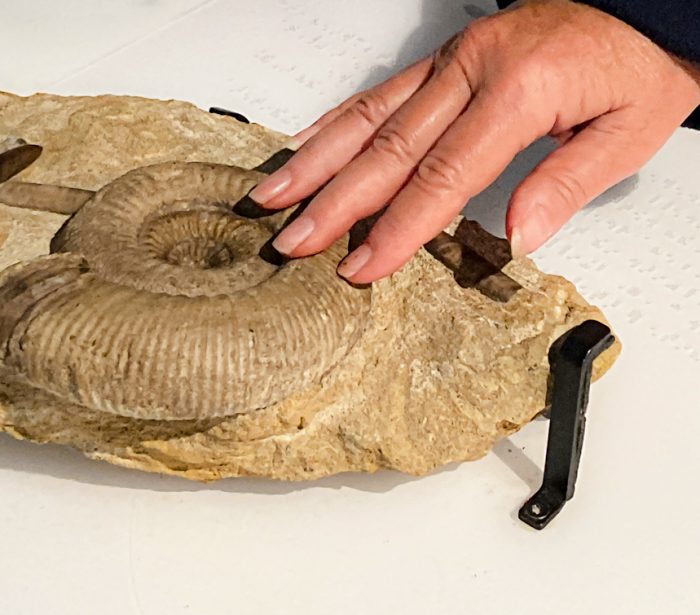
The Jurassic Coast – one of the world’s most extraordinary geological landscapes – marks the 25th anniversary of its designation as a UNESCO World Heritage Site in 2026. Stretching along the Dorset and East Devon coastline, this internationally significant site reveals 185 million years of Earth’s history, preserved in its cliffs, fossils, and landforms.
In this talk, Sam Scriven revisits the original reasons the Jurassic Coast was awarded World Heritage status, exploring the scientific, educational, and cultural values that first brought global recognition to this unique landscape. The talk will consider how geology, natural processes, and human engagement shaped the case for inscription, and why the coast was seen as a site of outstanding universal value.
Looking forward, the talk also asks an urgent and timely question: do these original principles and values still hold in an era of accelerating environmental change? With rising sea levels, increased erosion, climate change, and shifting relationships between people and landscape, the Jurassic Coast offers a powerful lens through which to reflect on conservation, change, and resilience.
Combining geological insight with contemporary reflection, this talk will appeal to anyone interested in landscape, heritage, climate, and the future of one of Britain’s most remarkable natural treasures.
Sam Scriven has worked on the Jurassic Coast for over twenty years, developing a deep and practical understanding of one of the world’s most important geological landscapes. Throughout his career, he has played a central role in conserving the coast’s internationally significant geology while also helping to interpret and communicate its extraordinary stories to a wide range of audiences, from local communities to international visitors.
He is currently Principal Officer for World Heritage at Dorset Council, where he provides strategic leadership and expert advice on the protection, management, and long-term stewardship of the Jurassic Coast World Heritage Site. His work involves balancing conservation with access, responding to environmental change, and ensuring that the site’s Outstanding Universal Value is safeguarded for future generations.
With extensive experience in heritage management, conservation policy, and public engagement, Sam is particularly interested in how geological landscapes shape cultural identity and how heritage sites can adapt to the challenges of climate change and a rapidly changing world. He brings a thoughtful, authoritative, and engaging perspective to discussions about landscape, time, and the future of world heritage.