Why Did Dorset’s Bronze Age Communities Sacrifice Valuable Things?
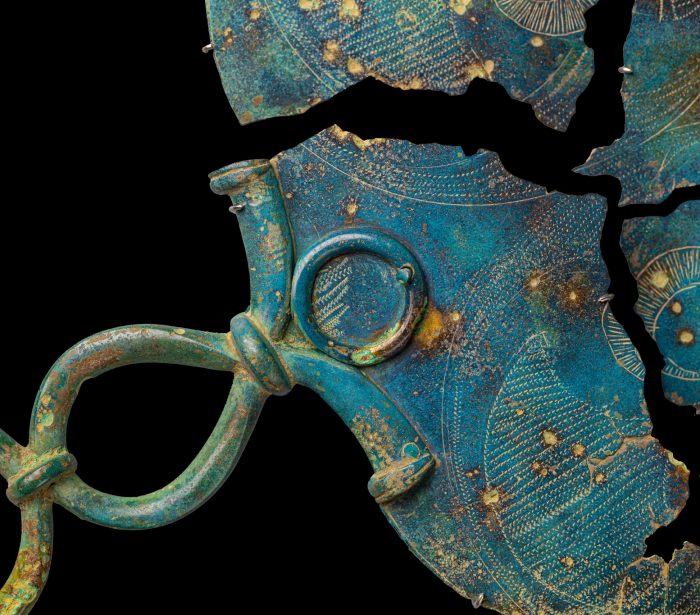
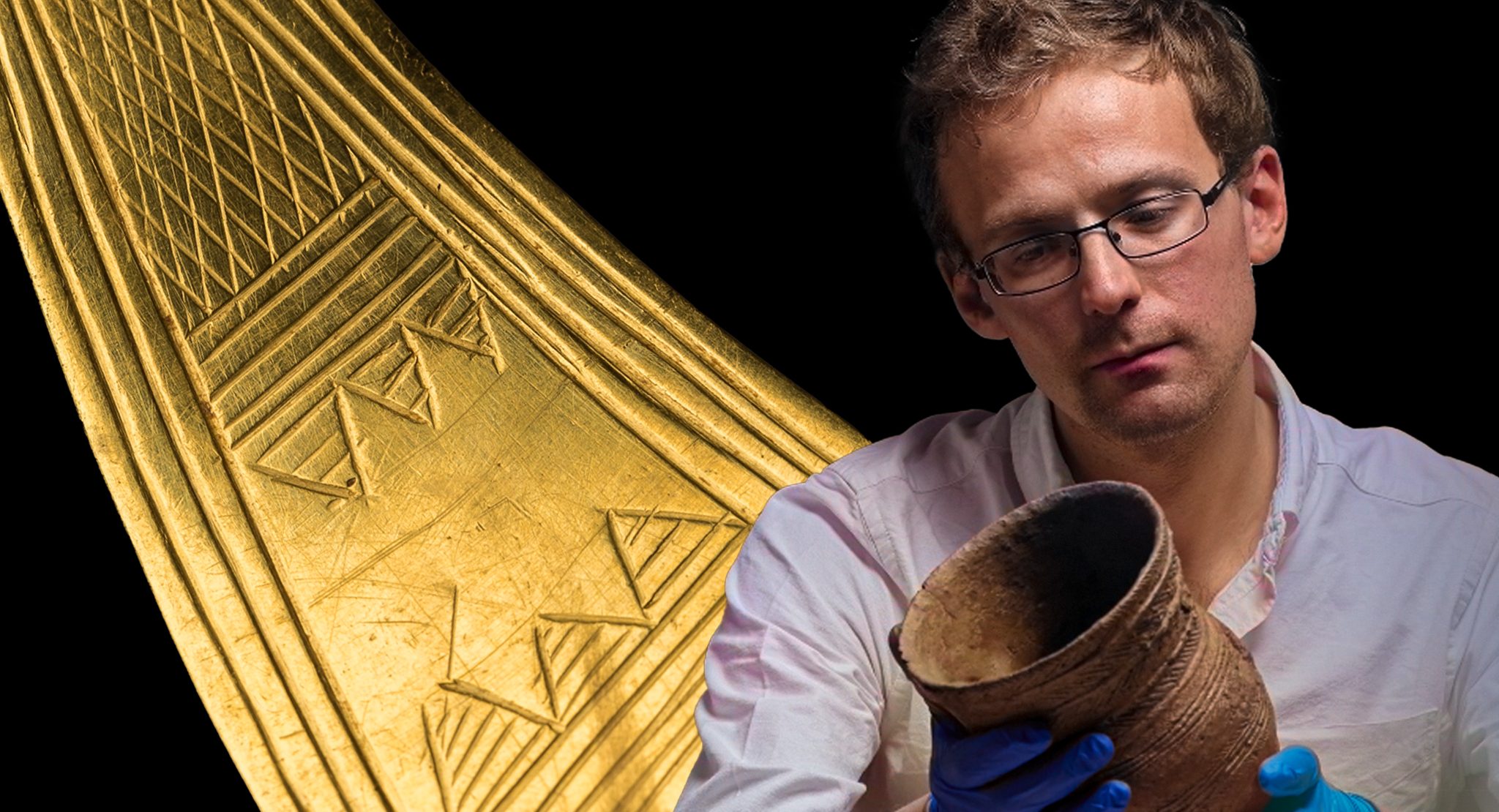
During the Bronze Age (c. 2500–800 BCE) in Dorset and across wider Britain and Europe, remarkable collections of beautiful and valuable objects were deliberately buried in the ground, often never to be recovered. These deposits included finely made metalwork and other treasured items whose loss would have represented a significant sacrifice. Why were such acts carried out?
This talk explores what these intentional burials can reveal about prehistoric ways of thinking, focusing on moral values, ethical choices, and beliefs surrounding wealth, loss, and obligation. By examining what appears to be the deliberate and seemingly irrational destruction or withdrawal of material and economic resources, it considers how Bronze Age communities understood concepts of giving, sacrifice, and value. In doing so, the talk asks how acts of ‘giving up’ may have played a central role in social relationships, ritual practice, and people’s engagement with the world around them.
About the speaker
Dr Neil Wilkin is a Curator in the Department of Prehistory and Europe at the British Museum. His research focuses on the archaeology of later prehistory in Europe, with particular interests in material culture, technology, and the social significance of objects. He has curated and contributed to major exhibitions and publications, and works closely with international research projects to advance understanding of Europe’s prehistoric past.