


From Culture Wars to Conflict – Dorset in the Civil War
A day of talks on current research into Dorset in the early to mid-seventeenth century, with a display of relevant archival documents.
Featuring talks by:
Tim Goodwin: Dorset and the Civil War – Was the World Really Turned Upside Down? Tim is currently investigating to what extent the Civil Wars empowered newly emergent social groups.
Trixie Gadd: ‘My poor wife and her children will be utterly undone’: Civil-War Consequences for Dorset’s Parochial Clergy. Trixie is focussing on what encouraged or deterred parochial clergy from mobilisation or resistance, with reference to troop movements, clubmen involvement, social and familial allegiance and, of course, religious convictions.
Eamonn Welch: Who’s Who in the Zoo? Vulgar Factions in Civil War Bridport: Long Division or Short Multiplication? Insights on the causes and connections of the conflict in west Dorset, derived from network analysis and original sources.
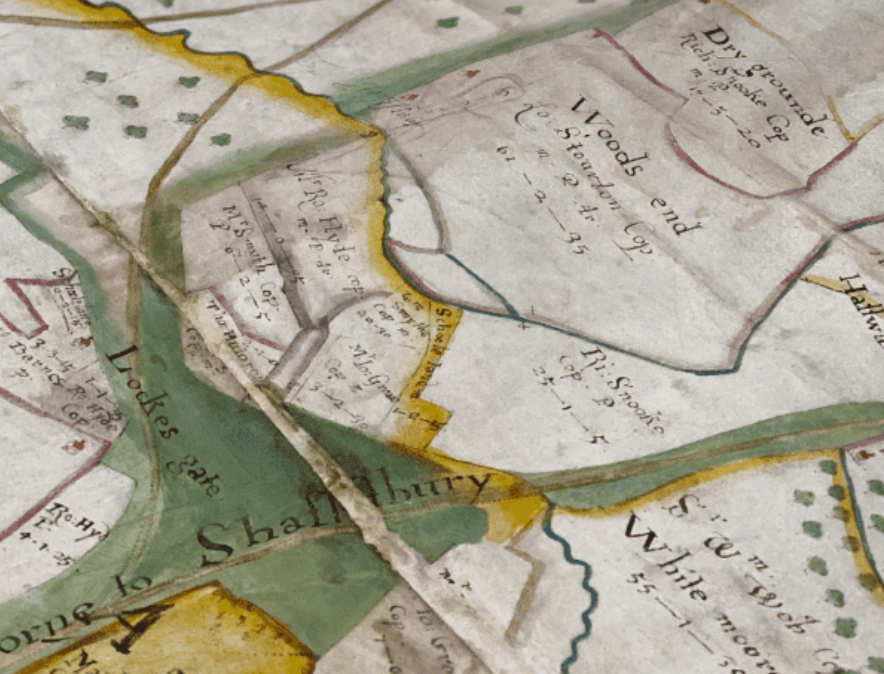
Tom Gayton: Gillingham Forest: A Case Study of Enclosure, Riot, and Popular Unrest in the Early Seventeenth Century. Drawing on vivid archival records, this talk explores how north Dorset communities resisted enclosure for over a generation, reclaiming land through organised action rooted in militant neutralism and rural self-determination.
Dr Kathryn Gray: Documenting War: Indigenous Women and Mary Rowlandson’s Narrative of Captivity in Colonial Massachusetts. This talk focuses on Mary Rowlandson’s Sovereignty and Goodness of God (1682), a narrative account of her captivity during the conflict known as King Philip’s War (1675-76).
